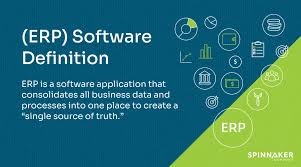
Enterprise Resource Planning (ERP) systems have become essential for businesses seeking efficiency, integration, and data-driven decision-making. Solutions like SAP, Oracle, and Microsoft offer powerful ERP platforms that integrate finance, supply chain, human resources, manufacturing, and more into a single system.
However, implementing an ERP system is not a simple plug-and-play process. Many organizations face significant challenges during implementation. Understanding these challenges—and knowing how to overcome them—can make the difference between success and failure.
1. Lack of Clear Goals and Requirements
The Challenge
One of the most common reasons ERP projects fail is the absence of clearly defined business objectives. Companies often implement ERP because competitors are doing it or because leadership wants modernization—without clearly identifying what problems they are trying to solve.
How to Overcome It
Define measurable goals (e.g., reduce inventory costs by 15%, shorten financial closing time by 5 days).
Conduct a detailed needs analysis across departments.
Involve key stakeholders early in the planning phase.
Create a clear project scope document to prevent scope creep.
2. Poor Change Management
The Challenge
ERP implementation changes workflows, responsibilities, and sometimes company culture. Employees may resist new systems due to fear of complexity, job insecurity, or lack of understanding.
How to Overcome It
Develop a structured change management strategy.
Communicate the benefits of ERP clearly and consistently.
Provide hands-on training sessions.
Appoint internal ERP champions to support colleagues.
Strong leadership involvement is critical to reducing resistance and encouraging adoption.
3. Inadequate Executive Support
The Challenge
ERP implementation requires strong commitment from top management. Without executive sponsorship, projects often suffer from budget issues, lack of authority, and slow decision-making.
How to Overcome It
Assign a dedicated executive sponsor.
Ensure leadership participates in milestone reviews.
Align ERP goals with overall business strategy.
Executive support ensures accountability and smooth cross-department collaboration.
4. Data Migration Issues
The Challenge
Migrating data from legacy systems into a new ERP system can be complex and risky. Inaccurate, duplicate, or incomplete data can compromise system performance.
How to Overcome It
Conduct data cleansing before migration.
Standardize data formats and naming conventions.
Perform multiple testing cycles before go-live.
Assign a data governance team to oversee quality control.
Clean data is the foundation of a successful ERP implementation.
5. Budget Overruns
The Challenge
ERP projects often exceed initial budgets due to hidden costs such as customization, integration, training, and extended timelines.
How to Overcome It
Build a realistic budget with contingency reserves.
Limit unnecessary customizations.
Choose phased implementation instead of a big-bang approach.
Regularly monitor project expenses.
Careful financial planning reduces unexpected surprises.
6. Over-Customization
The Challenge
Many companies attempt to customize ERP systems heavily to match existing processes. While customization may seem beneficial, it increases costs, complexity, and maintenance risks.
How to Overcome It
Adapt business processes to ERP best practices when possible.
Limit customization to critical competitive advantages.
Evaluate long-term maintenance implications.
Modern ERP systems already incorporate industry best practices, making excessive customization unnecessary.
7. Unrealistic Timelines
The Challenge
Underestimating the time required for implementation can lead to rushed deployment, poor testing, and system errors.
How to Overcome It
Develop a realistic project roadmap.
Break implementation into manageable phases.
Allocate sufficient time for testing and training.
Avoid rushing the go-live date.
Patience during implementation reduces costly corrections later.
8. Insufficient Training
The Challenge
Even the best ERP system will fail if employees do not know how to use it effectively.
How to Overcome It
Provide role-based training programs.
Offer ongoing learning resources.
Conduct post-implementation support sessions.
Monitor system usage and gather user feedback.
Continuous education improves user confidence and system performance.
9. Integration with Existing Systems
The Challenge
ERP systems often need to integrate with CRM, e-commerce platforms, or third-party applications. Integration complexity can delay implementation.
How to Overcome It
Map all required integrations in the planning phase.
Use standard APIs where possible.
Conduct integration testing before launch.
Work closely with experienced implementation partners.
Proper planning prevents integration bottlenecks.
10. Post-Implementation Neglect
The Challenge
Some organizations treat ERP implementation as a one-time project rather than an ongoing improvement journey.
How to Overcome It
Establish a post-go-live support team.
Regularly review system performance metrics.
Plan system upgrades and optimization cycles.
Continuously improve business processes.
ERP success is achieved through continuous improvement—not just installation.